
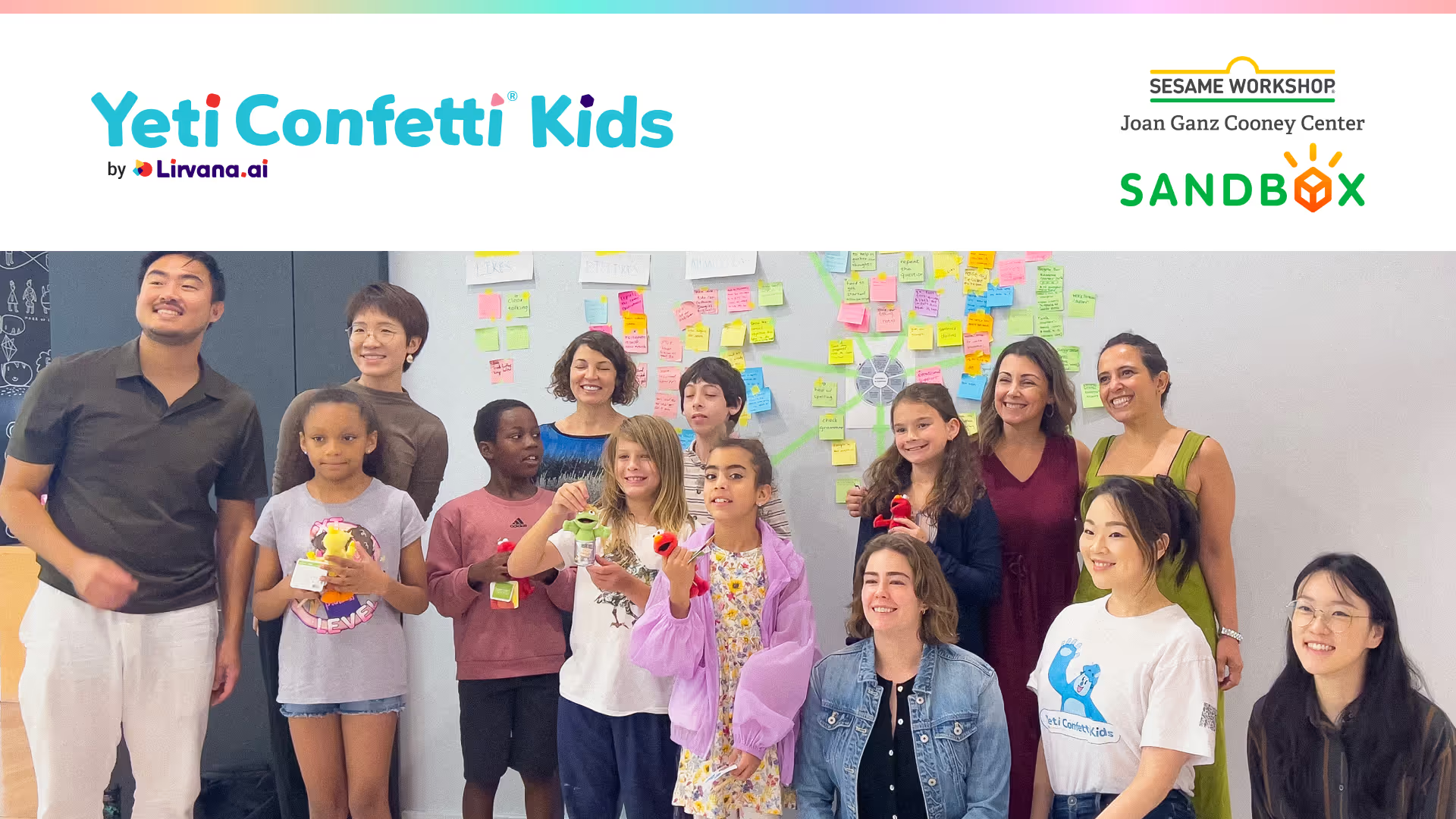
When we set out to build the Yeti AI Writing Companion, we knew one thing for certain: if AI is going to support students, it needs to be built with them.
That belief guided our partnership with the Joan Ganz Cooney Center Sandbox for Literacy Innovations. Together, we invited young learners, teachers, and researchers into our design process — not just as testers, but as co-creators.
“When kids become designers, they show us what they truly need — not what adults assume they need.”
— Dan Lee, Head of Product
During three days of co-design sessions with children ages 9–11, students imagined what it would be like to write alongside an AI partner. Using paper prototypes and interactive sketches, they helped us test early concepts for a friendly, voice-based writing coach nicknamed “Doogie the Dog.”
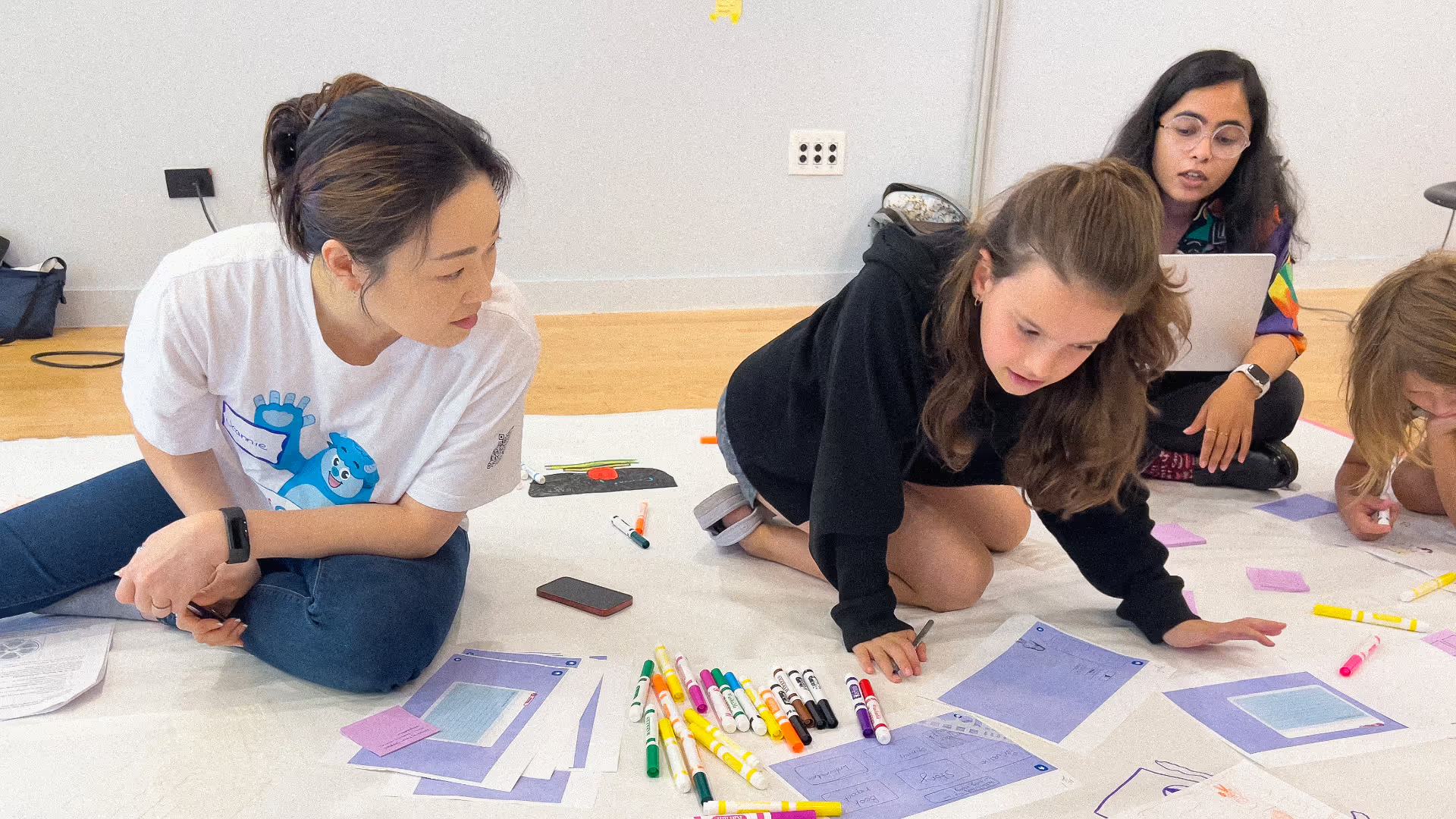
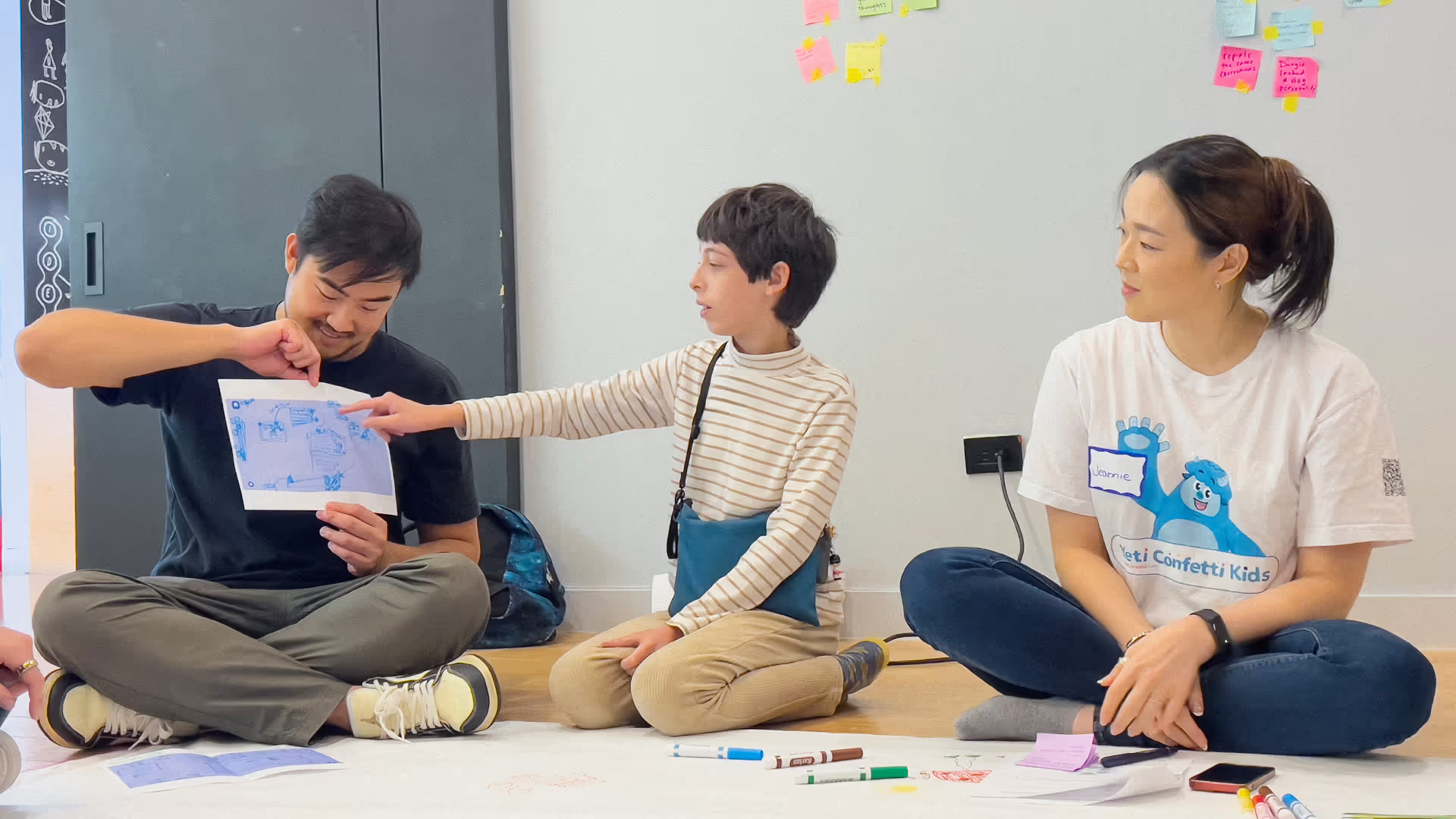
Students didn’t just react to the prototypes — they re-invented them. They gave their AI companions names, personalities, and emotions. They decided when it should speak, when it should wait, and what kinds of encouragement felt genuine.
They wanted visual space to plan their thoughts, gentle prompts instead of long feedback, and celebrations for effort, not perfection. Above all, they wanted to feel like they were writing with the AI, not for it.
“It feels like it’s cheering for me,” said one student.
“Like it’s helping, not judging.”
The Sandbox for Literacy Innovations research team helped translate these insights into design principles that are now shaping the writing companion development:

Students need to control when and how AI offers help.

Short, scaffolded prompts keep learners focused.

Rewards for creativity and persistence make writing more joyful

Multimodal and visual supports ensure accessibility for multilingual and diverse learners.
These findings reaffirm our mission: to build AI that supports the human side of learning — curiosity, confidence, and connection.
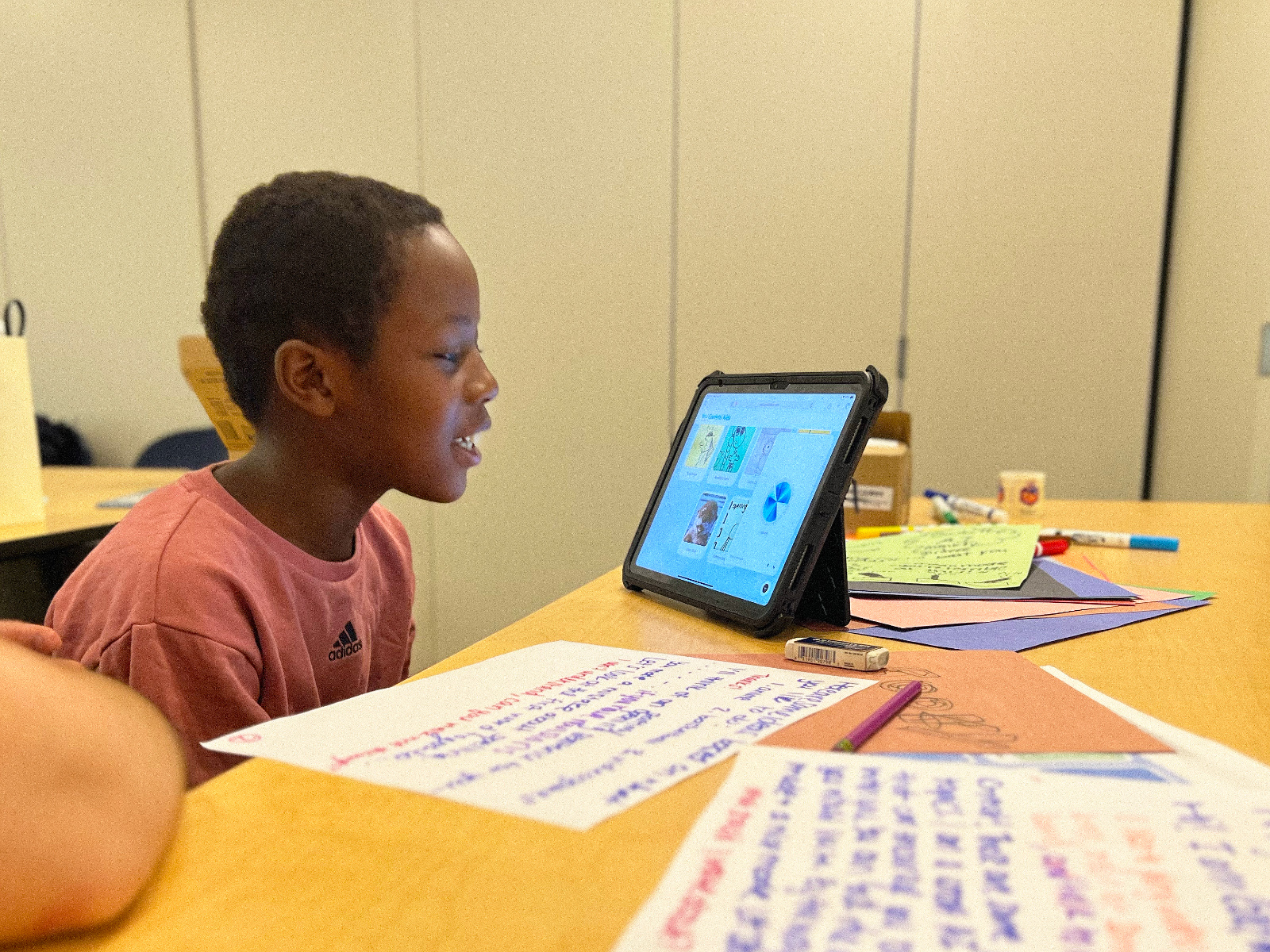

The Yeti AI Writing Companion remains in development as part of the 2025 Sandbox for Literacy Innovation, an initiative led by the Sandbox for Literacy Innovations to advance research-driven tools for the next generation of learners.
For us, this collaboration is about more than technology — it’s about learning from kids themselves and reimagining how writing can feel in the age of AI.
“Yeti isnʼt just a tool,” said Dan Lee, Head of Product.
“Itʼs an invitation for students to discover their own voice - and for teachers to see AI as a partner in that process.”
Yeti Writing Companion is still in the works - evolving through co-design, research, and iteration. Each insight from the Sandbox for Literacy Innovations sessions continues to inform how we prototype, test, and refine the experience
As we move forward, one principle stays constant: AI should never replace teachers or creativity. It should amplify them.
Built with students. Guided by teachers. Backed by research.
“Kids were thinking critically about what AI should and shouldn’t do,” said one Joan Ganz Cooney Center researcher.
“That level of awareness is the foundation of digital literacy.”

COPPA, FERPA, and ERMA Certified




© 2026 Lirvana Labs Inc. All rights reserved.